COG’s Work in Germ Cell Tumor

Children’s Oncology Group’s (COG) Germ Cell Tumor Committee is focused on refining risk stratification to better match treatment intensity with each patient’s disease. This approach aims to reduce therapy and long-term side effects for lower risk patients while improving cure rates for higher risk disease.

Researchers are also integrating blood-based biomarkers, including microRNAs, to support diagnosis, monitoring, and relapse detection.

Ongoing work includes two active international phase III clinical trials comparing different chemotherapy regimens, as well as early-phase studies exploring new treatments for resistant tumors. Another active area of work involves understanding and reducing long-term side effects, including hearing loss, neuropathy, and heart or lung disease.

Back to all Clinical Focus Areas

Germ Cell Tumor: Key Statistics

  • > 96 %

    Survival for patients with stage I gonadal tumors with surgical resection alone.

  • > 90 %

    Long-term disease-free survival for standard-risk patients who receive chemotherapy.

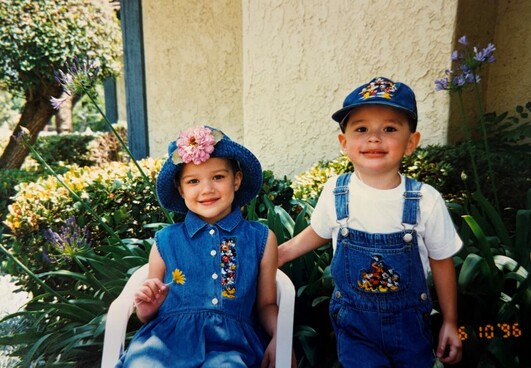
Thanks to the wonderful care team in pediatric oncology at the Medical Center of Central Georgia Children's Hospital, I've been cancer-free for 19 years. Survivorship has taught me that cancer is a disease that attacks more than just your physical well-being, it affects every single part of your life.

Read More

COG Member Institutions

COG’s 220+ member institutions study and treat children and adolescents with cancer across a global network. These sites support patients from diagnosis through treatment and beyond, connecting families to clinical trials and specialized care closer to home.

Use our interactive map to find a COG member institution near you.

Find a Member Location

News from COG

As the world’s largest pediatric cancer research network, COG drives breakthroughs in treatment and improves outcomes for children with cancer. Explore the latest news and stories from across our global community.

The future for children with germ cell tumors is shaped by today’s research.

Your support helps fuel discoveries that deepen understanding and move us closer to cures and more effective treatments.

Support Germ Cell Tumor Research opens in a new tab