Why Advances in Pediatric Oncology Take Teamwork

Childhood and adolescent cancers are uncommon, with only about 16,000 new cases per year in the United States. When diseases are this rare, no single hospital can effectively study them. Historically, this meant new therapies often took decades to develop because enrolling enough patients in a clinical trial was extremely challenging.

Scientific progress demands rigor and collaboration at scale. COG unites a global network of over 13,500 experts and more than 220 institutions to advance pediatric cancer research.

Global Network. Unified Progress.

Over 80% of pediatric cancer patients are treated at one of COG’s member institutions. At any given time, COG has more than 50 active clinical trials, with approximately 9,500 participants registered each year , giving patients access to new treatment approaches closer to home.

COG’s research model is designed to move discoveries forward at every stage. From large-scale initiatives like Project:EveryChild, to early-phase trials through the Pediatric Early Phase-Clinical Trials Network (PEP-CTN), to disease-specific committee work, COG helps transform research findings into more effective treatments and better long-term outcomes.

Data generated from COG research are shared across the research network because progress in one cancer type can offer insights that improve outcomes in others. This collaborative model accelerates the pace of discovery and advances the development of new therapies for children and adolescents facing cancer.


Institutions

0
220 red circles 220 red circles

Progress Doesn’t Stop Here.

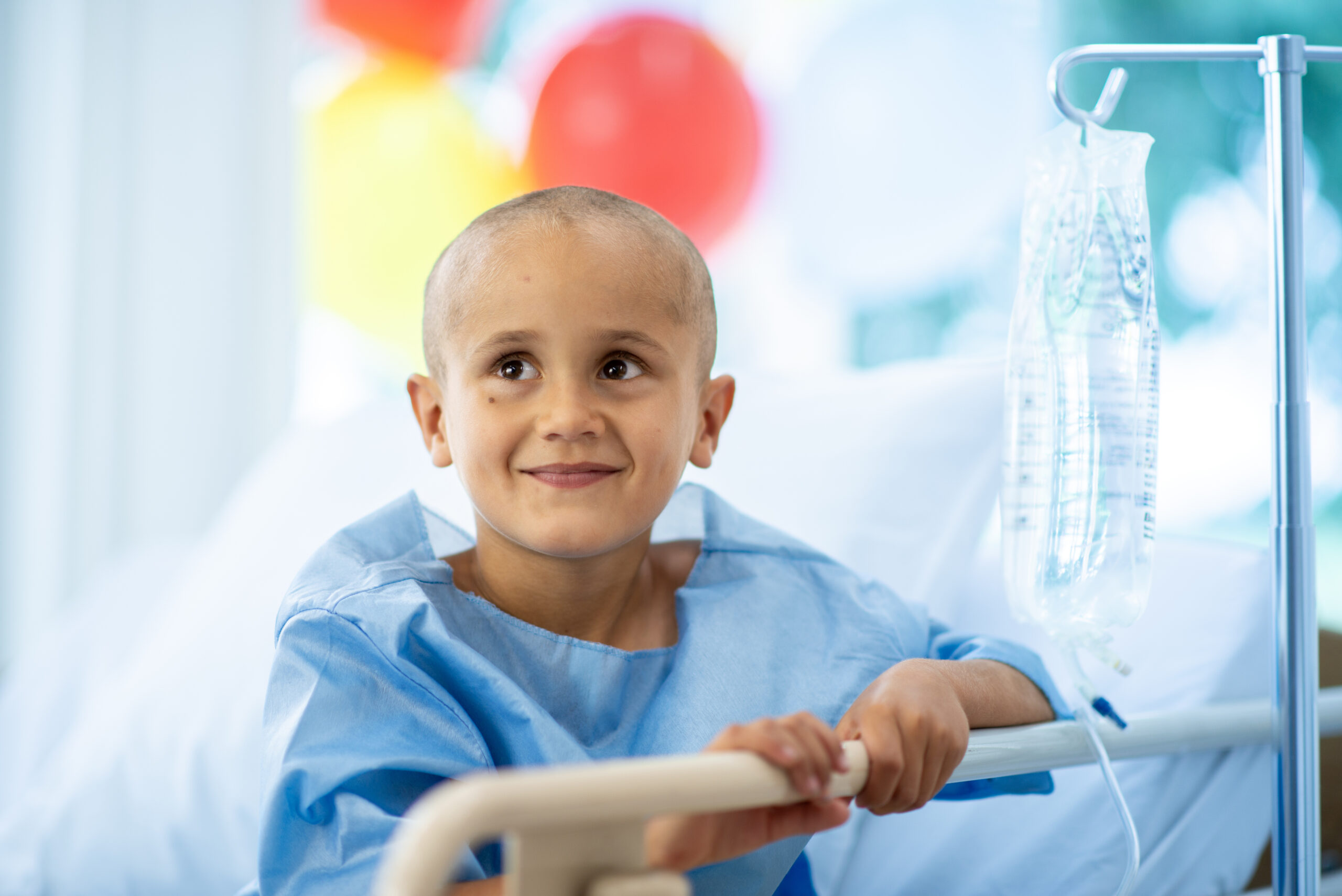
Behind every breakthrough is a child or adolescent whose future was once uncertain. COG’s dedicated members have helped change what is possible by advancing treatment, improving outcomes, and continuing to improve life beyond survival.

Thanks to decades of discoveries and breakthroughs, more than 86% of pediatric cancer patients now survive.

But beyond every celebration is another family depending on continued progress. COG continues to work toward a future where every child and adolescent with cancer not only survives, but lives a healthy, fulfilling life.

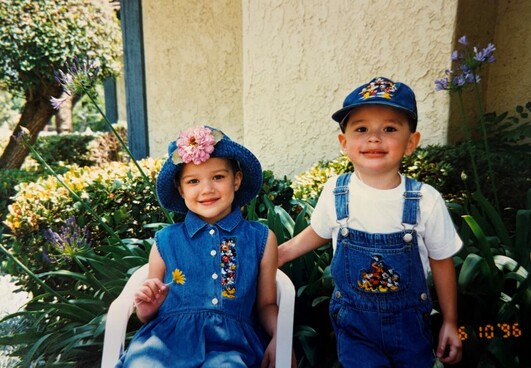
I think about Brady going to a job interview and being asked, 'What was a hurdle that you had to get over?" and he can answer, ‘Well, I beat cancer.’ And he can say that because he got the right study, the right medication, and the right team.

Read More

COG’s Clinical Focus Areas

Childhood cancers includes are made up of many distinct disease types, each with its own biology, treatment approach, and research focus.

These categories reflect how cancers are grouped and studied across the Children’s Oncology Group, where specialized teams focus on advancing care for each diagnosis.

EXPLORE COG’S CLINICAL FOCUS AREAS

Project: EveryChild

Project: EveryChild provides researchers with access to over 400,000 biosamples and patient data across nearly 300 unique diagnoses.

Every data point reflects the impact of cancer on a child’s life, including the quality of life they carry into survivorship.

By building a comprehensive picture of how cancer develops and responds to treatment, Project:EveryChild helps researchers translate discoveries into more personalized care.

Explore Project: EveryChild

COG’s Pediatric Early Phase-Clinical Trials Network

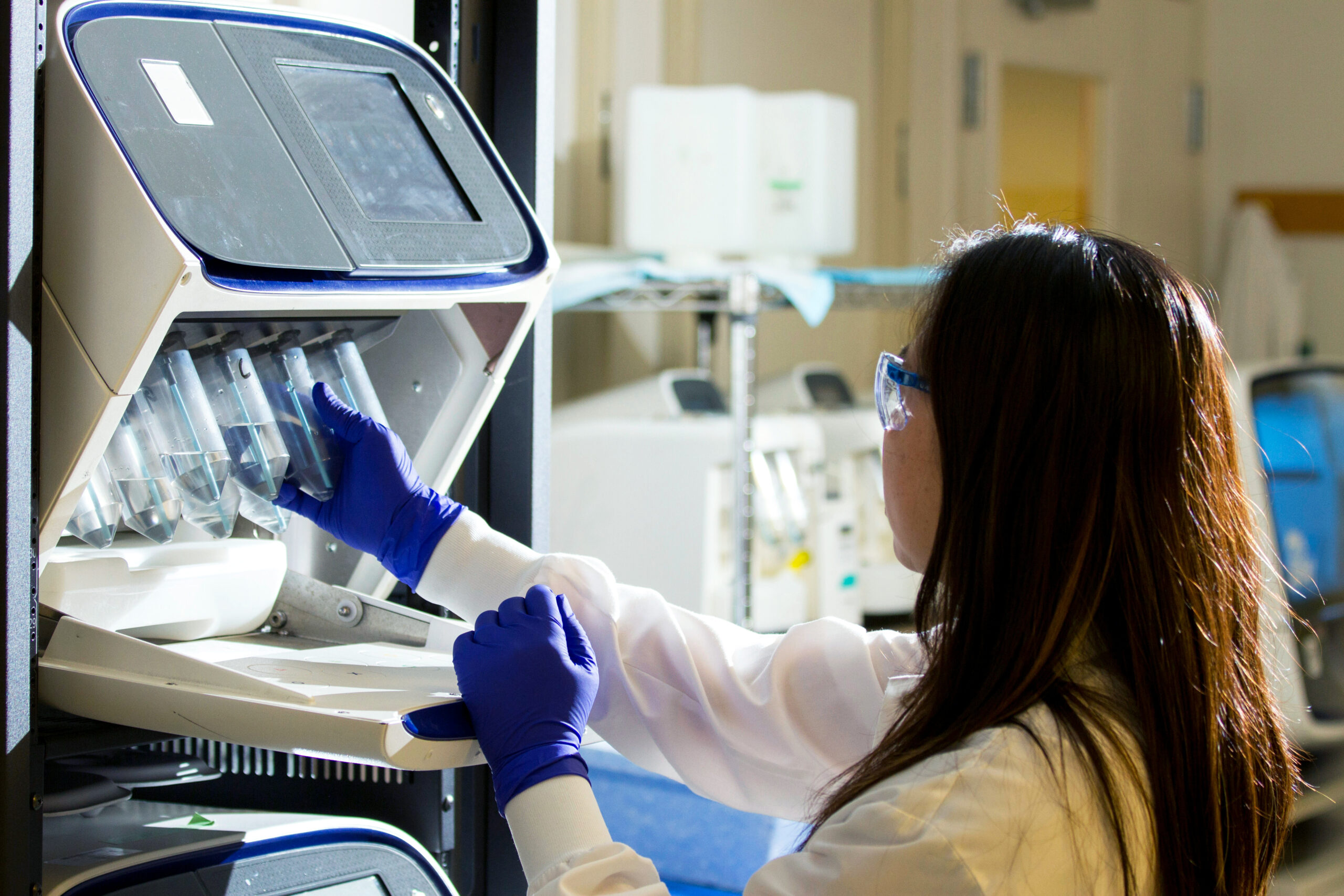
COG’s Pediatric Early Phase-Clinical Trials Network (PEP-CTN) studies the most promising new treatments . By identifying safe new treatments with early signs that a treatment is working, PEP-CTN helps determine which therapies should advance into larger clinical trials across the COG network.

Learn About PEP-CTN

Results for Patients and Families

COG’s Return of Results (ROR) program gives research participants access to plain-language summaries of clinical trial findings, including how treatments performed, potential side effects, and overall patient outcomes. These summaries reflect the full study results and are designed to keep families informed as research moves forward.

SEARCH RESULTS

News

As the world’s largest pediatric cancer research network, COG drives breakthroughs in treatment and improves outcomes for children with cancer. Explore the latest news and stories from across our global community.

Invest in a Cure

When you donate to COG, you support a network of more than 13,500 researchers, clinicians, and specialists across over 220 institutions worldwide. This collaborative model moves discoveries from the lab into real-world care, improving how children and adolescents are treated at every stage of their journey.

Support Pediatric Cancer Research