COG’s Work in Neuroblastoma

The Children’s Oncology Group (COG) Neuroblastoma Committee leads both clinical trials and translational research to better understand the biology of the disease and improve treatment. Work using patient samples and advanced genetic testing is helping explain why neuroblastoma behaves differently from one child to another.

For children with lower-risk disease, COG-led trials have made it possible to reduce treatment for many patients, while ongoing work focuses on identifying the small number who may need more care. High-risk neuroblastoma remains difficult to treat, and current research is focused on improving outcomes by introducing targeted therapies and immunotherapy earlier in treatment.

Together, these efforts are helping move care toward more personalized treatment—reducing unnecessary side effects for some children while improving results for those with the most aggressive disease.

Back to all Clinical Focus Areas

Neuroblastoma: Key Statistics

  • > 0 %

    Survival for low-risk patients.

  • + 0 %

    Improvement in outcomes with the addition of immunotherapy to standard high-risk treatment.

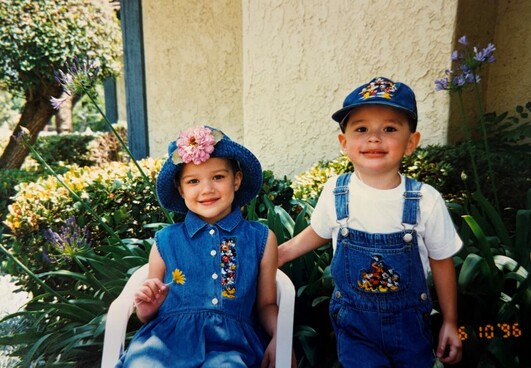
I’m a strong believer in research and Katie participated in three COG studies during her treatment...The reality is that saving (patients') lives comes at a significant cost to their well-being as they grow up. Research is the only way to change that.

Read More

COG Member Institutions

COG’s 220+ member institutions study and treat children and adolescents with cancer across a global network. These sites support patients from diagnosis through treatment and beyond, connecting families to clinical trials and specialized care closer to home.

Use our interactive map to find a COG member institution near you.

Find a Member Location

News from COG

As the world’s largest pediatric cancer research network, COG drives breakthroughs in treatment and improves outcomes for children with cancer. Explore the latest news and stories from across our global community.

The future for children with neuroblastoma is shaped by today’s research.

Your support helps fuel discoveries that deepen understanding and move us closer to cures and more effective treatments.

Support Neuroblastoma Research opens in a new tab